Copper and the Electrification Supercycle
Why copper remains central to electrification, grids, and the physical systems that AI still depends on.
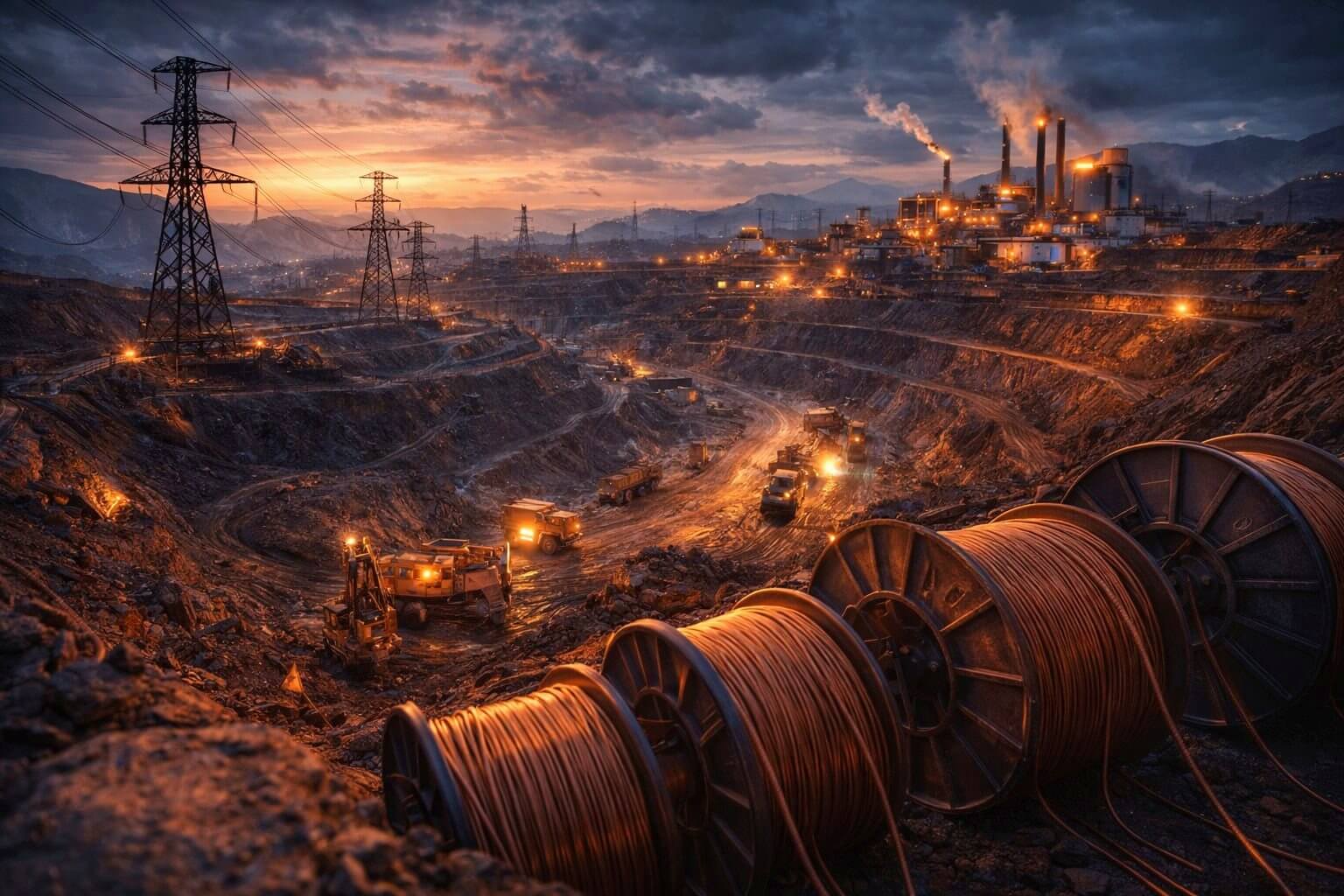
Copper is not the purest AI trade, but it may be one of the most durable physical enablers of the broader electrification cycle that AI is now accelerating.
The reason copper matters is simple: electricity systems, grid expansion, heavy electrical equipment, and industrial facilities remain deeply copper-intensive.
The IEA continues to highlight copper as one of the major exceptions where expected mine supply from announced projects falls short of projected demand. It also notes that annual copper demand for electricity grids rises materially over time as networks expand.
- Grid buildout: lines, substations, and network equipment all pull copper.
- Power equipment: transformers, switchgear, motors, and thermal systems need conductive metal.
- Industrial electrification: data centres are one demand source inside a larger power transition.
- Facility construction: AI campuses still sit inside a copper-heavy physical stack.
The bullish copper argument is not only demand. It is the combination of rising system-level demand and a supply pipeline that remains difficult to expand quickly. That is why copper often behaves like a strategic metal rather than just a cyclical commodity.
That does not make every copper stock equal. Miners, royalty names, and downstream producers carry different macro, operational, and jurisdiction risks.
Most public investors access copper through miners and diversified materials names, but the macro thesis is really about the demand pull from electrification systems.
Representative U.S.-exchange-listed names by angle:
- Large copper miners: FCX, SCCO
- Diversified mining leverage: BHP, RIO
- Materials and metals ETF route: COPX
- Copper price vehicle: CPER
Remember that copper demand can be strong while individual miners still face country, labor, grade, and capex risks.
- China and macro cyclicality: copper prices still respond to the global growth cycle.
- Project execution: mines are capital-intensive and politically exposed.
- Substitution: some grid and transmission use can shift toward aluminium.
- Narrative oversimplification: AI is a demand booster, not the only driver.
- Think system demand, not just AI demand: grid expansion is a core part of the thesis.
- Separate the commodity from the equity: miners have their own operational risk.
- Watch supply discipline: new copper capacity is not quick to build.
- Size for macro volatility: this theme is durable, but rarely smooth.
Copper fits best as a macro-industrial sleeve inside a broader electrification and AI-infrastructure basket. It is less pure than photonics, but often more durable than the market gives it credit for.